


Dog Training & Behavior Support

Dog Training & Behavior Support

Raising
Happy Dogs

Raising
Happy Dogs

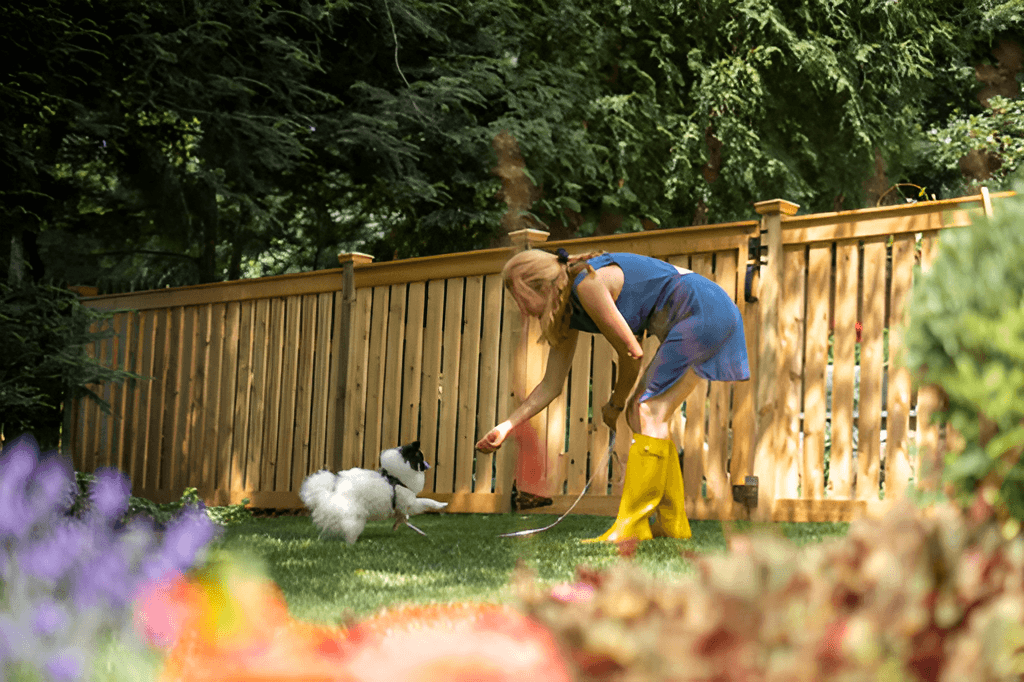
Whether you’re welcoming a new puppy or supporting a dog through anxiety, reactivity, or hyperarousal, training should be engaging and fun, not tense or centered on food alone.

When dogs feel safe and included, they can take things in. Words start to take shape, becoming anchors that help them anticipate what’s next, and before you know it, they’re listening, not because they have to, but because they want to.

Hero Image

+125K Happy Dogs

About

My philosophy

My training approach goes beyond simply teaching your dog to respond to direction. I work with you and your dog as a team, helping you understand the why behind their behavior. When you can recognize what’s driving a reaction, and learn how to observe and respond in the moment, you’re no longer dependent on a manual or costly training tools, you can navigate whatever comes your way. With over 40 years of experience and as the author of Puppies For Dummies, Dog Anxiety for Dummies, and more, I’ve seen that real progress happens when learning feels safe, inclusive, and fun for everyone.

Learning Options

Learning options

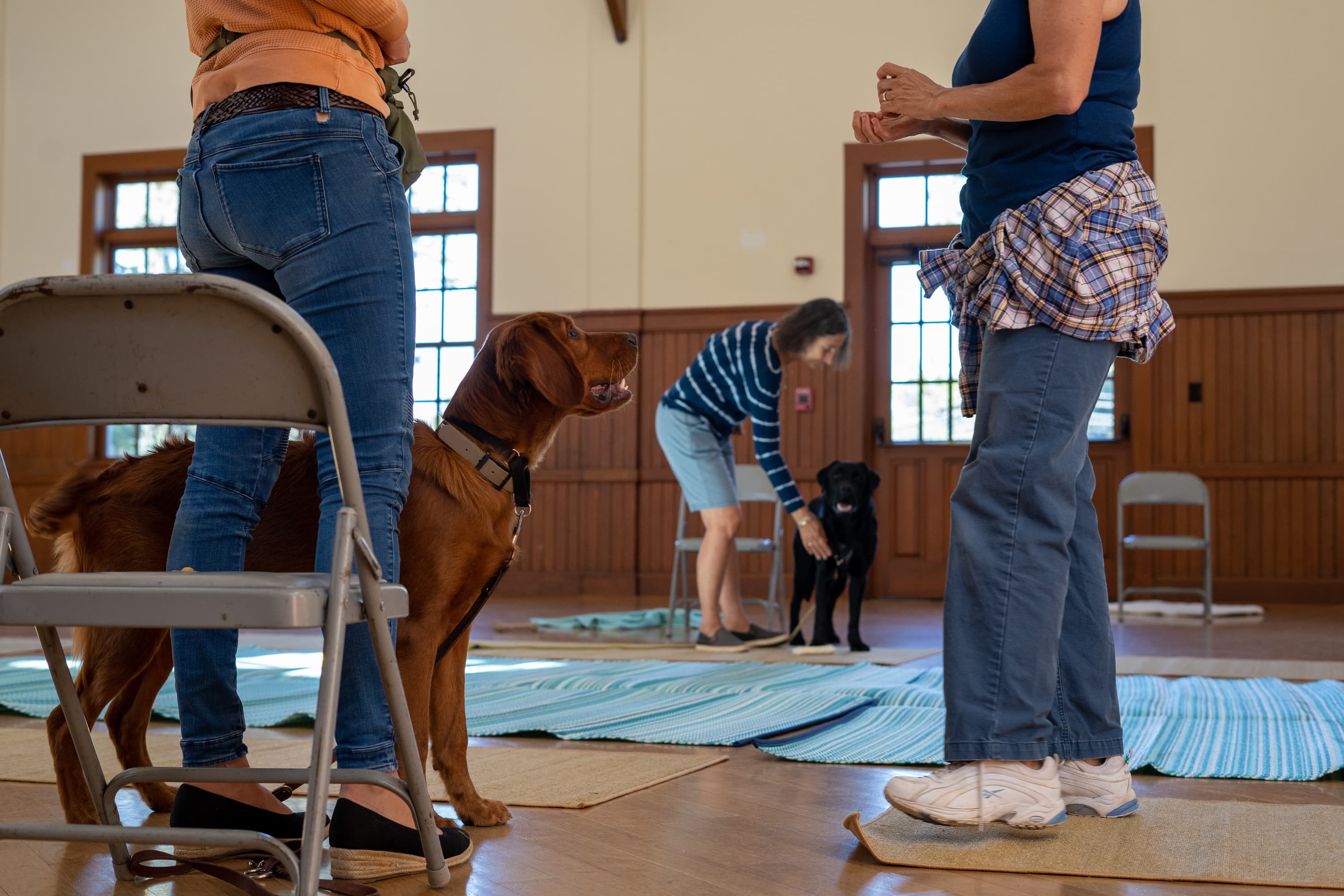
From brand-new puppies to senior dogs, and from first-time dog parents to lifelong dog lovers, my classes are designed to help dogs and people feel more connected, confident, and at ease together.

Group Classes

Private

Virtual

Puppy Boarding

Doggy Doula

In New York and Connecticut

Private, In Person Lessons

Help with basic training and everyday behavior issues

Leash reactivity, anxiety, hyperarousal, and aggression

Solutions for barking, chewing, nipping, and house training

Calm, connection-based methods that build trust

Includes a custom plan and follow-up resources

One-on-one coaching for you and your dog

Group Classes

Private

Virtual

Puppy Boarding

Doggy Doula

In New York and Connecticut

Private, In Person

Help with basic training and everyday behavior issues

Leash reactivity, anxiety, hyperarousal, and aggression

Solutions for barking, chewing, nipping, and house training

Calm, connection-based methods that build trust

One-on-one coaching for you and your dog

Indoor and outdoor space at Round Hill Community Church

Testimonials

Some of our happy dogs

“Sarah took our shy little pup and helped her grow into a confident, go-lucky companion. She’s loving, honest, and completely in tune with dogs.”

– Emily J.

“Sarah doesn’t just train dogs—she understands them. Petey learned so much, and so did we. She’s a true teacher.”

– Mandy C.

“We were overwhelmed with a new puppy and an aging dog—Sarah brought calm, clarity, and transformation in just one week.”

– Diane M.

“Our dog came home from Sarah’s program social, responsive, and full of joy. The training notes made follow-up so easy.”

– Barbara B.

“With Sarah’s help, our dog stopped lunging and started greeting new people with ease. She gave us our peace back.”

- Vanessa C.

“Every session left us more connected to our dog—and to each other. Sarah’s guidance was exactly what we needed.”

– Helen B.

FAQs

Hero Image

Frequently asked questions

Frequently asked questions

When should I start training my dog?

As soon as they come home.  Whether you've welcomed a puppy, adopted a rescue, or are living with an older dog, every day is an opportunity to build good habits. I think of training as teaching dogs the routines, words, and expectations that help them feel comfortable in our world. The sooner you establish structure and consistency, the sooner your dog learns to relax and thrive. My book, Puppies for Dummies, can serve as a helpful guide.

How do I know which service is right for me?

Start by filling out the new client form. Tell me a little about your dog, your goals, and the challenges you're facing. From there, we'll recommend the option that makes the most sense for your situation, whether that's a private session, virtual coaching, an imprint program, or a group class.

How much does training cost?

Training fees vary depending on the type of service and your location.  Visit the pricing page to learn more. You'll also receive an estimated rate after completing the new client form. Virtual sessions are available worldwide, and you're always welcome to travel to my office in Katonah, New York, for a reduced in-person rate.

How long does training take?

That depends on what we’re teaching and where your dog is starting from.

I think of training as teaching good habits. Dogs learn by association, so the more you engage them through daily routines, games, and clear word cues, the more they begin to look to you for direction. Puppies mature over the course of their first year, and the earlier you begin shaping everyday routines, the sooner those habits become part of family life. With older dogs, especially those who have developed patterns like reactivity, hyper-arousal, or anxiety, the roadmap is more individual. Each dog and household has its own rhythm, and rehabilitation unfolds at its own pace. After an initial 90-minute session, packages can be tailored and a training plan established so your dog or puppy can learn new words, routines, and expectations that bring clarity and calm, rather than adding to their confusion.

Can you help with behavior issues like reactivity, anxiety, or aggression?

Absolutely. Most challenging behaviors stem from confusion, fear, frustration, or overstimulation. My approach focuses on understanding what's driving the behavior, then creating practical routines and strategies that help your dog feel more secure and respond more calmly. Drawing on more than four decades of experience, I'll help you understand what your dog is communicating and how to guide them toward better habits.  My book Dog Anxiety for Dummies can be used as a supportive guide.

What is positive reinforcement?

Positive reinforcement is simply the art of noticing and rewarding the behaviors you want to see more often. Dogs are constantly making associations. If sitting calmly gets them dinner, they'll sit more often. If coming when called leads to praise, a treat, or a game, they'll be more likely to come the next time.

Most people think positive reinforcement is all about treats, but dogs find lots of things rewarding: attention, play, toys, walks, and hearing your happy voice.  I like it because it shifts your focus. Instead of waiting for your dog to make a mistake, you start noticing when they're getting it right. Those little moments add up quickly. When we reward good choices, they become habits, and those habits become part of everyday life.

Is treat training considered bribery?

No. Treats are often used to teach a dog what a word means in the first place.

Dogs learn through association. When you pair a word like "sit," "come," or "place" with something your dog enjoys, such as food, a toy, praise, or play, they begin to understand the meaning of that word. Once the association is established, that same word can be rewarded in many different ways. A sit might earn dinner, a walk, a game of fetch, a belly rub, or simply the opportunity to go outside.

A bribe is different. A bribe happens when you give a direction, your dog ignores it, and then you pull out food to persuade them to listen. The food isn't the problem, it's the timing.

Think of treats as a teaching tool, much like using pictures to teach a child new words. Once your dog understands what you're asking, life itself becomes full of rewards for cooperation.

Do I need to dominate my dog or be the "alpha" to have a happy dog?

No. The idea that dogs need an "alpha" or dominant leader has largely been abandoned by modern behavior professionals.

Dogs learn best when they feel safe, rested, and understood. Trying to control, intimidate, or constantly boss a dog around often creates confusion, stress, and anxiety, which can interfere with learning and damage trust.

I find it more helpful to think of dogs the way we think of young children. They thrive when life feels predictable. Clear routines, consistent expectations, and gentle guidance help dogs understand where to go, what to do, and how to navigate everyday situations with confidence.

A happy dog isn't looking for a dictator. They're looking for someone who provides direction, structure, and reassurance when life gets confusing.

Do you use e-collars or prong collars?

No. My approach is rooted in communication, trust, and clear guidance. Dogs learn best when they feel safe and engaged, not when they're worried about making mistakes. I'll show you how to build reliable behaviors using routines, word associations, play, and rewards that strengthen your relationship rather than strain it.

When should I start training my dog?

As soon as they come home.  Whether you've welcomed a puppy, adopted a rescue, or are living with an older dog, every day is an opportunity to build good habits. I think of training as teaching dogs the routines, words, and expectations that help them feel comfortable in our world. The sooner you establish structure and consistency, the sooner your dog learns to relax and thrive. My book, Puppies for Dummies, can serve as a helpful guide.

How do I know which service is right for me?

Start by filling out the new client form. Tell me a little about your dog, your goals, and the challenges you're facing. From there, we'll recommend the option that makes the most sense for your situation, whether that's a private session, virtual coaching, an imprint program, or a group class.

How much does training cost?

Training fees vary depending on the type of service and your location.  Visit the pricing page to learn more. You'll also receive an estimated rate after completing the new client form. Virtual sessions are available worldwide, and you're always welcome to travel to my office in Katonah, New York, for a reduced in-person rate.

How long does training take?

That depends on what we’re teaching and where your dog is starting from.

I think of training as teaching good habits. Dogs learn by association, so the more you engage them through daily routines, games, and clear word cues, the more they begin to look to you for direction. Puppies mature over the course of their first year, and the earlier you begin shaping everyday routines, the sooner those habits become part of family life. With older dogs, especially those who have developed patterns like reactivity, hyper-arousal, or anxiety, the roadmap is more individual. Each dog and household has its own rhythm, and rehabilitation unfolds at its own pace. After an initial 90-minute session, packages can be tailored and a training plan established so your dog or puppy can learn new words, routines, and expectations that bring clarity and calm, rather than adding to their confusion.

Can you help with behavior issues like reactivity, anxiety, or aggression?

Absolutely. Most challenging behaviors stem from confusion, fear, frustration, or overstimulation. My approach focuses on understanding what's driving the behavior, then creating practical routines and strategies that help your dog feel more secure and respond more calmly. Drawing on more than four decades of experience, I'll help you understand what your dog is communicating and how to guide them toward better habits.  My book Dog Anxiety for Dummies can be used as a supportive guide.

What is positive reinforcement?

Positive reinforcement is simply the art of noticing and rewarding the behaviors you want to see more often. Dogs are constantly making associations. If sitting calmly gets them dinner, they'll sit more often. If coming when called leads to praise, a treat, or a game, they'll be more likely to come the next time.

Most people think positive reinforcement is all about treats, but dogs find lots of things rewarding: attention, play, toys, walks, and hearing your happy voice.  I like it because it shifts your focus. Instead of waiting for your dog to make a mistake, you start noticing when they're getting it right. Those little moments add up quickly. When we reward good choices, they become habits, and those habits become part of everyday life.

Is treat training considered bribery?

No. Treats are often used to teach a dog what a word means in the first place.

Dogs learn through association. When you pair a word like "sit," "come," or "place" with something your dog enjoys, such as food, a toy, praise, or play, they begin to understand the meaning of that word. Once the association is established, that same word can be rewarded in many different ways. A sit might earn dinner, a walk, a game of fetch, a belly rub, or simply the opportunity to go outside.

A bribe is different. A bribe happens when you give a direction, your dog ignores it, and then you pull out food to persuade them to listen. The food isn't the problem, it's the timing.

Think of treats as a teaching tool, much like using pictures to teach a child new words. Once your dog understands what you're asking, life itself becomes full of rewards for cooperation.

Do I need to dominate my dog or be the "alpha" to have a happy dog?

No. The idea that dogs need an "alpha" or dominant leader has largely been abandoned by modern behavior professionals.

Dogs learn best when they feel safe, rested, and understood. Trying to control, intimidate, or constantly boss a dog around often creates confusion, stress, and anxiety, which can interfere with learning and damage trust.

I find it more helpful to think of dogs the way we think of young children. They thrive when life feels predictable. Clear routines, consistent expectations, and gentle guidance help dogs understand where to go, what to do, and how to navigate everyday situations with confidence.

A happy dog isn't looking for a dictator. They're looking for someone who provides direction, structure, and reassurance when life gets confusing.

Do you use e-collars or prong collars?

No. My approach is rooted in communication, trust, and clear guidance. Dogs learn best when they feel safe and engaged, not when they're worried about making mistakes. I'll show you how to build reliable behaviors using routines, word associations, play, and rewards that strengthen your relationship rather than strain it.

Contact Us

Contact

How to work with me

How to work with me

The best way to get started is by filling out a new client form. Someone from my office will follow up promptly to walk you through your options and help you schedule a session.

Sarah is based in Katonah, NY, and offers in-home visits (travel fees vary by location), virtual training worldwide, and group classes in Greenwich, CT.

Fill out a form

The best way to get started

Fill out a form

The best way to get started

Hero Image
Armonk • Banksville • Bedford • Bedford Corners • Bedford Hills • Brewster • Briarcliff Manor • Chappaqua • Cos Cob • Croton-on-Hudson • Darien • Dobbs Ferry • Eastchester • Goldens Bridge • Greenwich • Hartsdale • Harrison • Hawthorne • Irvington • Katonah • Larchmont • Lewisboro • Mamaroneck • Millwood • Mount Kisco • New Canaan • New Rochelle • New York City • North Salem • North White Plains • Norwalk • Old Greenwich • Pelham • Pleasantville • Port Chester • Pound Ridge • Purchase • Ridgefield • Rye • Scarsdale • Sleepy Hollow • Somers • Stamford • Tarrytown • Thornwood • Valhalla • Vista • Waccabuc • White Plains • Wilton • Yorktown Heights